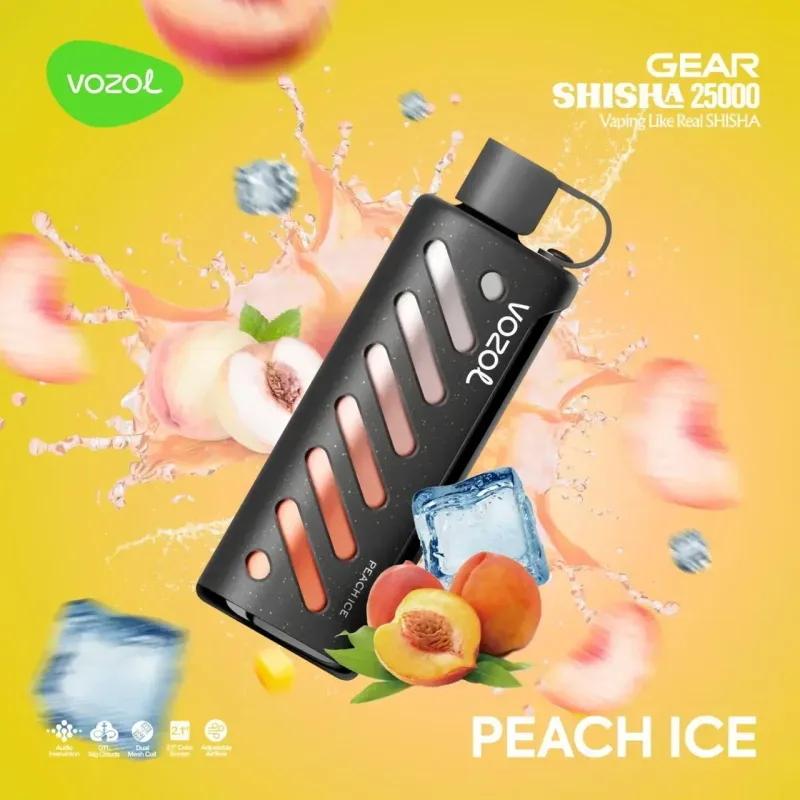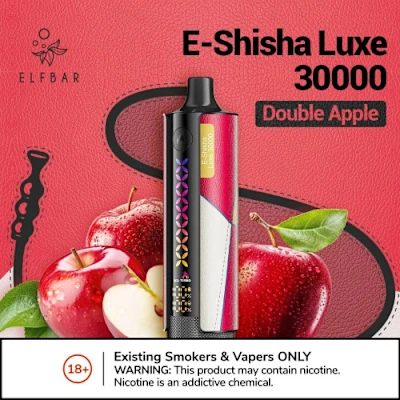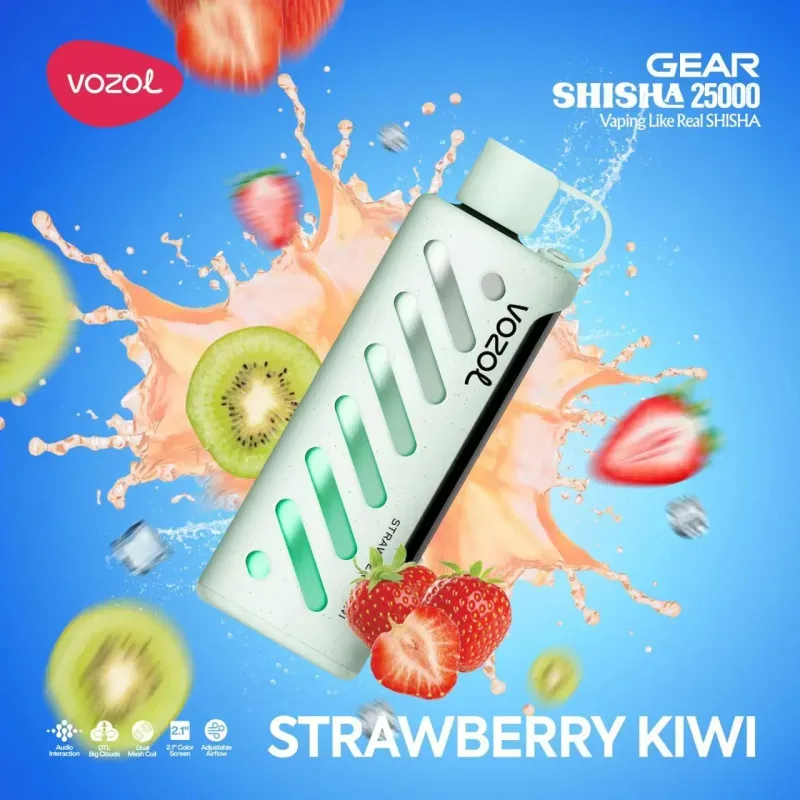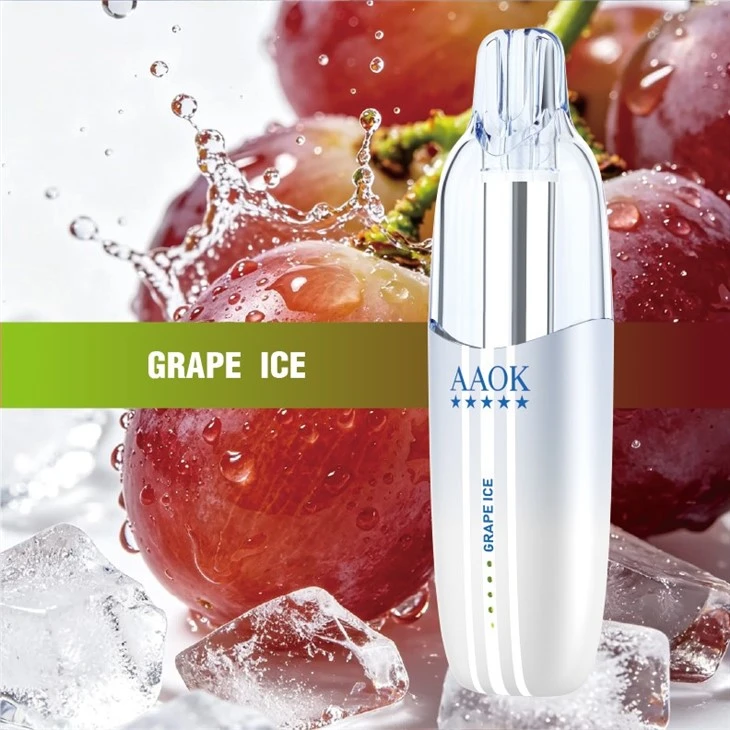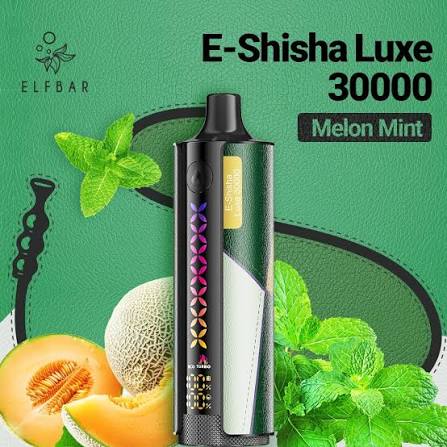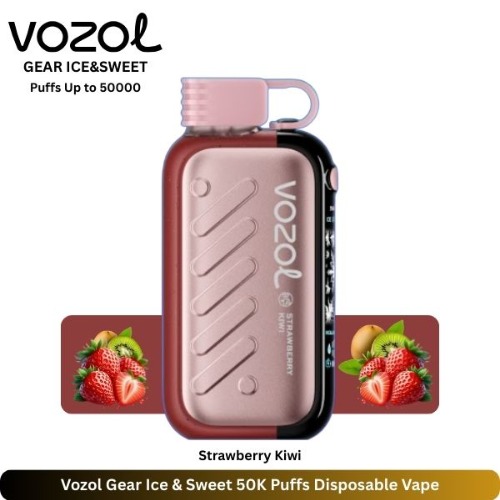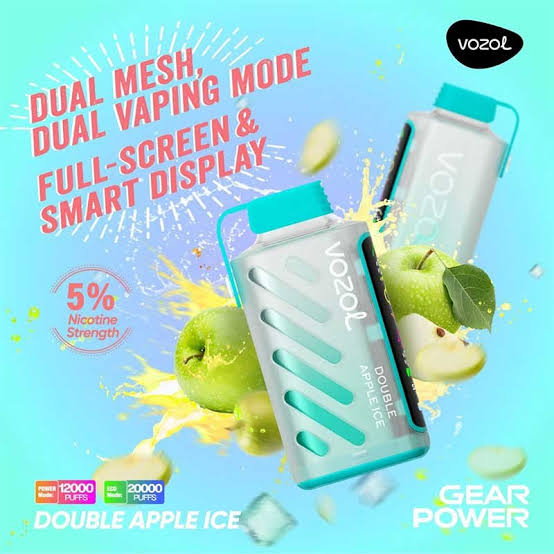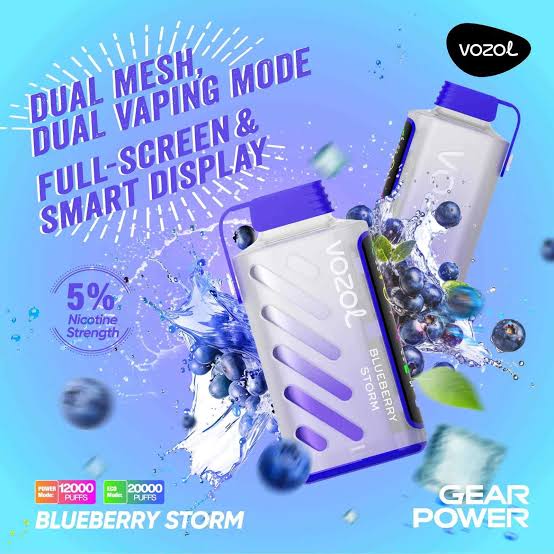
Counterfeit vape products are a growing concern in West Africa, posing significant health risks and financial losses to consumers. In Nigeria, for instance, NAFDAC has repeatedly warned against the influx of unregistered and potentially harmful vaping devices. Spotting a fake can be tricky, but by paying attention to specific details, you can protect yourself.
Here are four crucial signs that you are buying counterfeit smoke products in West Africa:
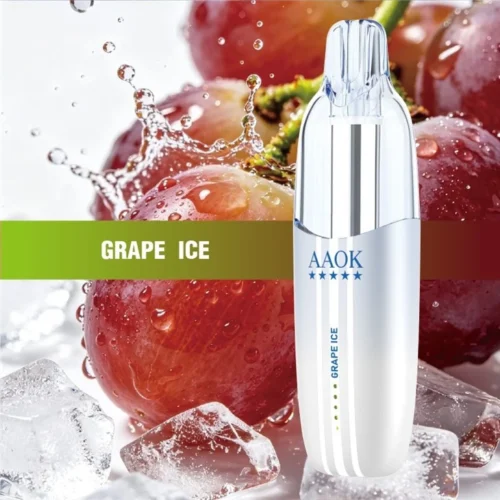
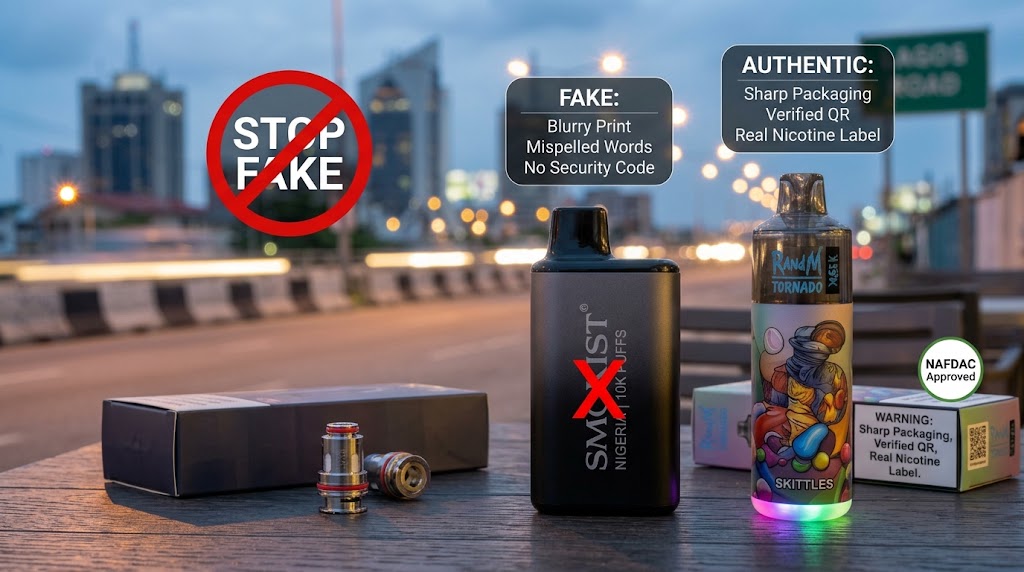
- Inconsistencies in Packaging and Branding Authentic brands invest heavily in high-quality packaging with precise printing, clear fonts, and consistent color schemes. Counterfeiters often cut corners, leading to visible discrepancies.
- The Red Flags:
- Look for blurry images, misspelled words, or smudged logos.
- Check for missing information, such as expiration dates, batch numbers, or health warnings in English or local languages.
- Genuine products usually include security features like holographic stickers, QR codes that lead to official authentication websites, or unique serial numbers. If these are absent or look tampered with, it’s likely a fake.
- The Red Flags:
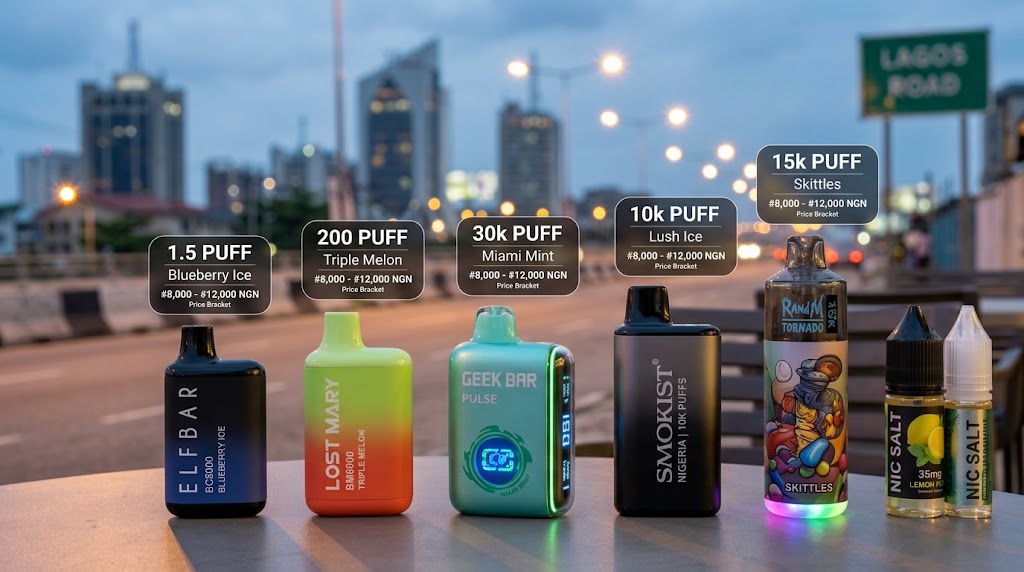
- Unusual Pricing While everyone loves a good deal, if the price of a vape device or e-liquid seems too good to be true, it almost certainly is. Authentic vape products have standard market prices, even in West African markets like Lagos or Accra.
- The Red Flags:
- Be wary of vendors offering popular brands at significantly lower prices than reputable vape shops.
- Counterfeiters often lure buyers with “special discounts” or “bulk offers” on well-known products that rarely go on sale. Compare prices with multiple authorized retailers.
- The Red Flags:
- Poor Build Quality and Performance The manufacturing standards of counterfeit vapes are vastly inferior to those of authentic brands. This poor construction affects both the physical device and the vaping experience.
- The Red Flags:
- For hardware: Look for loose-fitting parts, rattles when you shake the device, or cheap plastic/metal that feels flimsy. The battery life might be extremely poor, or the device may fail to turn on.
- For e-liquids/pods: If the flavor is harsh, burnt, or doesn’t match the description, it could be a fake. Authentic liquids undergo extensive testing for consistency; fakes are often unregulated and may contain harmful additives.
- The Red Flags:
- Missing or Improper Nicotine Disclosures Regulatory bodies in many countries require clear disclosure of nicotine content. In West Africa, although enforcement can vary, authentic international brands still adhere to these standards.
- The Red Flags:
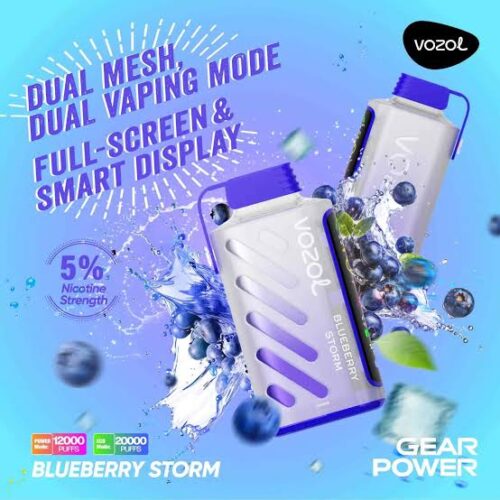
- Authentic products clearly state the nicotine strength (e.g., 3mg, 6mg, 50mg/mL) and often include a standardized health warning (e.g., “Nicotine is an addictive chemical”).
- Counterfeit products often omit this information, or it may be listed vaguely or inaccurately. A complete lack of nicotine warning or strength disclosure on the packaging is a major warning sign.
- The Red Flags:
By staying vigilant and shopping only at reputable, authorized retailers, you can significantly reduce your risk of purchasing counterfeit vape products in West Africa and protect your health.